
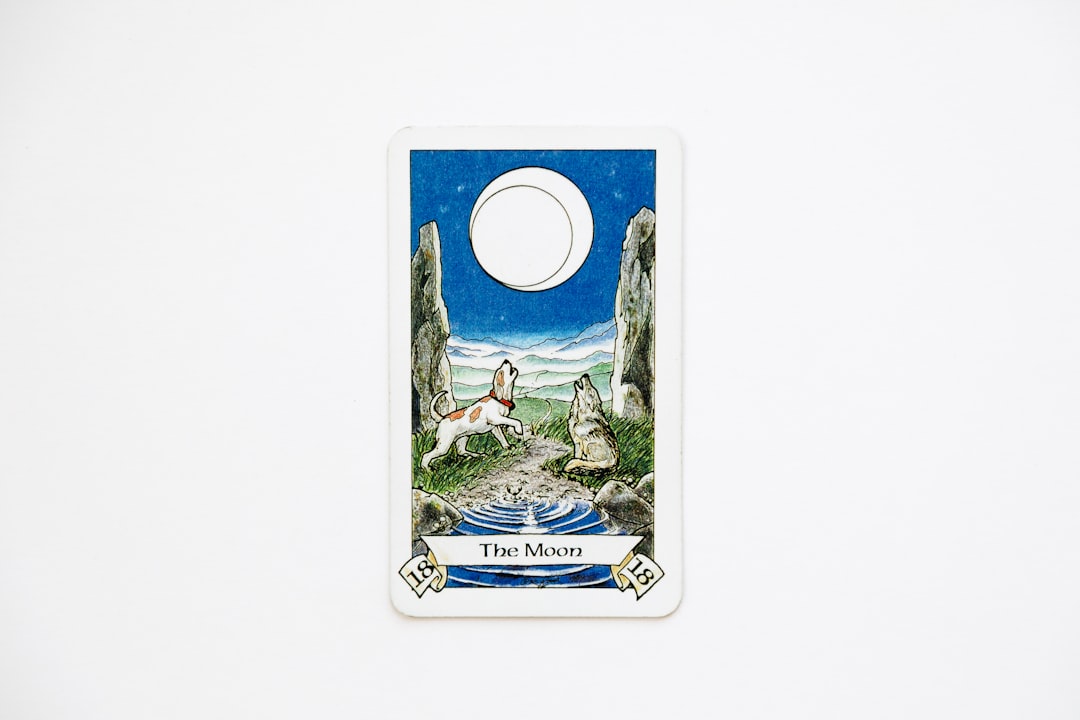
The deck you choose can shape the way you approach tarot, not because a single set of cards holds all the answers, but because the images, symbols, and tone of a deck influence how easily you can listen to your own intuition. Some people are drawn to classic symbolism and clear structure. Others need darker, dreamlike artwork, gentler imagery, or a more modern visual language before the cards begin to feel alive in their hands. Choosing the right tarot cards is less about finding the “best” deck and more about recognizing which one invites honesty, reflection, and a sense of meaningful connection.
Why the Right Tarot Deck Matters
A tarot deck is a tool, but it is also a visual and emotional environment. Each reading asks you to enter that environment and interpret what you find there. If the imagery feels distant, confusing, or overly ornate for your taste, the reading process can become strained. If the deck resonates with your instincts, even complex spreads begin to feel more accessible.
This is why the right deck matters from the start. Tarot is built on structure, but the experience of reading it is deeply personal. The familiar 78-card format may remain the same, yet the mood of the artwork, the symbolic emphasis, and even the color palette can change your relationship to the cards. A deck that feels aligned with your spiritual path often makes it easier to read consistently, journal more honestly, and build a ritual that feels grounded rather than performative.
For many readers, a good deck also creates a stronger sense of presence. It encourages you to slow down, observe, and reflect. That sense of presence is especially important if tarot is part of a larger spiritual practice that includes meditation, altar work, journaling, or devotional ritual.
Understand the Main Tarot Deck Traditions
Before choosing a deck on appearance alone, it helps to understand the major traditions that shape most tarot cards. You do not need to become a scholar before buying your first deck, but knowing the basic systems can save you from choosing something that does not suit your learning style.
| Deck Tradition | Best For | General Feel | What to Know |
|---|---|---|---|
| Rider-Waite-Smith | Beginners and general readers | Symbolic, narrative, widely taught | Most guidebooks and learning resources use this system or a close variation. |
| Marseille | Readers who enjoy historical styles and intuitive interpretation | Traditional, minimalist, open-ended | Minor Arcana pip cards are less illustrated, which changes how many people read them. |
| Thoth-inspired | Readers drawn to esoteric systems and layered symbolism | Dense, mystical, intellectually rich | Often appeals to advanced readers or those interested in deeper symbolic study. |
| Modern reinterpretations | Readers seeking contemporary imagery or specific aesthetics | Varied, personal, artistic | Many modern decks follow Rider-Waite-Smith structure while changing the visual world completely. |
If you are just beginning, a Rider-Waite-Smith-based deck is usually the easiest entry point because the scenes are clear and the symbolism is widely referenced. If you are already comfortable with tarot or prefer a more historical and intuitive approach, Marseille may feel elegant and less prescriptive. If your spiritual interests lean toward ceremonial symbolism, astrology, or a more layered esoteric vocabulary, Thoth-inspired decks may feel compelling.
If you are still comparing styles, a curated collection of tarot cards can help you notice which imagery, symbolism, and production details genuinely hold your attention.
Let Imagery, Symbolism, and Tone Guide You
Once you understand the deck’s system, the next step is far more personal: pay attention to how the art makes you feel. The right deck should not merely look attractive on a shelf. It should invite interpretation. When you look at The Moon, the Tower, or the Nine of Swords, do you feel curious? Moved? Challenged in a productive way? Or do you feel shut out?
Visual tone matters more than many people expect. Some decks are luminous and serene. Others are gothic, shadow-rich, or emotionally intense. Neither approach is better. The question is whether the atmosphere supports the kind of spiritual work you want to do. If your practice involves shadow work, ancestral reflection, or ritual introspection, you may prefer darker, symbol-heavy imagery. If your readings center on healing, self-compassion, and emotional clarity, a softer visual language might be more helpful.
- Symbol clarity: Can you identify the core message of a card without constantly checking the guidebook?
- Emotional resonance: Do the images stir a response that feels useful rather than distracting?
- Cultural and spiritual alignment: Does the deck feel respectful and compatible with your values?
- Depth over decoration: Is the artwork simply beautiful, or does it also invite reflection?
This is also where personal aesthetics become meaningful. A deck can be dramatic, minimal, antique, surreal, or richly occult in mood. What matters is that its symbolism opens a door for you. For those who enjoy building a ritual atmosphere around their readings, thoughtfully chosen surroundings can deepen that experience as well. NecroScrolls, known for occult themed gifts, dark art, and mystical decor, fits naturally into that kind of practice without overwhelming the cards themselves.
Consider the Practical Side Before You Commit
Spiritual connection matters, but so does usability. A deck may be visually stunning and still become frustrating if it is too large to shuffle comfortably, printed in a finish you dislike, or designed with unreadable typography. Practical details influence whether a deck becomes part of your regular practice or sits untouched.
Before buying, consider how you actually plan to use your tarot cards. Are you reading daily? Carrying a deck in a bag? Using it mostly at home on an altar or reading table? Do you prefer matte cardstock, glossy cards, gilded edges, or something more understated? These are not trivial questions. Ritual objects are used through the body as much as through the mind, and comfort affects consistency.
A practical checklist
- Check the card size. Oversized decks can be beautiful but awkward for frequent shuffling.
- Look at the full card previews. Do not rely only on the box art.
- Read about the deck structure. Make sure it follows a system you are willing to learn.
- Review the guidebook style. Some guidebooks are concise, while others are more meditative or scholarly.
- Think about long-term use. Choose a deck you can imagine returning to, not just admiring once.
If possible, spend time with sample images before you buy. Notice your reaction to the Major Arcana first, then the suit cards. A deck should feel coherent across all 78 cards, not just impressive in a few standout illustrations.
How to Choose a Deck That Grows With You
The best way to choose tarot cards is to combine intuition with discernment. Attraction matters, but it becomes more useful when paired with a simple selection process. Rather than asking whether a deck is popular or advanced enough, ask whether it supports the kind of reader you are becoming.
A helpful approach is to narrow your options to two or three decks and compare them closely. Sit with images of the Fool, Death, the High Priestess, and the suit cards. These often reveal a deck’s emotional range and symbolic depth. Then consider how much interpretation the art gives you immediately. A beginner may benefit from narrative scenes that speak clearly. A more experienced reader may prefer ambiguity and symbolic openness.
You can also ask yourself a few grounding questions:
- Do I want a deck that teaches me tarot structure, or one that expands my existing practice?
- Am I looking for comfort, challenge, mystery, clarity, or intensity?
- Will this deck support daily readings, seasonal rituals, or deeper spiritual work?
- Can I see myself forming a lasting relationship with these images?
Once you choose a deck, give it time. You do not need elaborate rituals to “activate” it. A simple beginning is often enough: shuffle slowly, study the imagery, pull a card each morning, and journal what you notice. Over time, the deck begins to develop familiarity, and familiarity leads to nuance. This is where tarot becomes less about memorized meanings and more about relationship.
Conclusion
Choosing the right tarot cards for your spiritual journey is an act of attention. It asks you to notice what symbolism opens you, what imagery steadies you, and what kind of deck you will genuinely return to when life feels uncertain or transformative. The ideal deck is not always the most famous or the most ornate. It is the one that helps you see more clearly, question more honestly, and engage your spiritual practice with depth and consistency.
When you choose with both intuition and care, a tarot deck becomes more than a beautiful object. It becomes a companion for reflection, ritual, and inner conversation. That is the real measure of the right deck: not trend, not prestige, but the quiet sense that the cards belong in your hands and have something meaningful to reveal each time you return to them.
——————-
Visit us for more details:
NecroScrolls | Dark Art, Tarot, Occult Decor & Mystical Gifts
necroscrolls.com
Explore dark wall art, tarot decks, mystical decor, ritual tools, handmade familiars, printable arcane art, and esoteric gifts.
