

Searching for a forklift refresher course near me usually starts with a simple need: stay compliant, sharpen safe habits, and get back behind the controls with confidence. But refresher training is more than a box to tick. Forklift work happens in busy, high-risk environments where a moment of poor judgment can damage stock, equipment, structures, or, far more seriously, harm people. A good refresher course helps experienced operators correct bad habits, adjust to changing workplace conditions, and rebuild the kind of awareness that keeps operations efficient and safe.
For employers and individual operators alike, refresher training is often most valuable when it is approached as practical risk reduction rather than routine administration. The best courses reconnect operators with the basics they may no longer think about consciously: load stability, turning radius, pedestrian awareness, pre-use checks, battery or fuel handling, and the small decisions that shape safe performance throughout a shift.
Why refresher training matters more than many operators expect
Experience is important, but experience alone does not always guarantee safe operation. In fact, familiarity can sometimes lead to shortcuts. Operators who use forklifts daily may become comfortable enough to overlook blind spots, rush a lift, skip a check, or underestimate how different one machine feels from another. Refresher training brings those details back into focus.
A well-run course also helps operators adapt to workplace change. Warehouses get reconfigured. Yard traffic patterns shift. Different pallets, load sizes, attachments, and flooring conditions create new handling demands. Even operators with years of practical experience benefit from structured retraining when the job around them has changed.
There is also a clear professional benefit. Refresher instruction shows that the operator and employer take safety seriously. That matters on busy sites where coordination, consistency, and accountability affect everyone, from supervisors and drivers to pickers, loaders, and pedestrians.
When you should look for a forklift refresher course near me
Not every operator seeks refresher training for the same reason. Sometimes it is scheduled as part of workplace policy. In other cases, it is prompted by a specific incident, a period away from the role, or a shift to unfamiliar equipment. Knowing when to book training can help prevent issues before they become serious.
| Situation | Why refresher training is helpful |
|---|---|
| Unsafe operation has been observed | Corrects habits before they lead to injury or damage |
| An accident or near miss has occurred | Reinforces safe procedures and reviews risk awareness |
| The operator has been away from forklift duties | Rebuilds confidence and practical control |
| A new type of forklift or attachment is introduced | Updates the operator on different handling characteristics |
| The workplace layout or conditions have changed | Addresses new traffic routes, storage systems, and hazards |
If any of these apply, it makes sense to start looking for a local provider. Choosing a nearby training centre can reduce downtime and make it easier to arrange practical evaluation. For those comparing local options, reviewing providers that offer focused, hands-on instruction, including forklift refresher course near me, is a sensible way to narrow the search.
What a quality refresher course should cover
The strongest refresher courses do not simply repeat theory in a generic way. They reconnect knowledge to real operating conditions. A worthwhile course should revisit core principles while also testing whether the operator can still apply them consistently under normal workplace pressure.
- Pre-use inspections: checking tyres, forks, hydraulics, warning devices, mast condition, battery or fuel systems, and visible defects.
- Safe start-up and shutdown procedures: including parking, securing the truck, and leaving it in a safe condition.
- Load handling: understanding rated capacity, load centres, pallet condition, and the effect of height and tilt on stability.
- Travel safety: speed control, reversing, cornering, slope use, and operating in tight or shared spaces.
- Pedestrian awareness: horn use, line of sight, exclusion zones, and communication in mixed-traffic environments.
- Practical assessment: demonstrating real competence rather than passive attendance.
Strong refresher training also leaves room for discussion. Experienced operators often learn best when they can relate formal guidance to real situations they encounter every day. That could mean stacked goods with inconsistent weight, wet surfaces in a loading area, damaged pallets, or pressure during peak dispatch periods. Training should not avoid those realities; it should prepare operators to handle them safely.
At providers such as NDAA TRAINING CENTER | DUMP TRUCK TRAINING, the value of refresher instruction lies in this practical mindset. Operators benefit most when training is grounded in workplace realities, not abstract lessons detached from the conditions they actually face.
How to choose the right local training provider
Typing the same search into a browser can bring up many results, but not every course offers the same standard of instruction. A good local provider should be clear about what the refresher course includes, how competence is assessed, and whether the training is suitable for the type of forklift and work environment involved.
- Check the course focus. Refresher training should be designed for existing operators, not delivered as a rushed version of beginner training.
- Ask about practical assessment. Operators need observed evaluation, not just classroom review.
- Confirm equipment relevance. The course should reflect the machines, loads, and working conditions the operator deals with.
- Look for clear communication. Providers should explain duration, requirements, documentation, and expected outcomes without vague promises.
- Consider convenience without sacrificing quality. A nearby centre is useful, but location should support good training rather than replace it.
It is also worth asking whether the training can address site-specific concerns. For example, an operator in a warehouse with narrow aisles has different practical needs from one working in an outdoor loading yard. The right provider respects those differences and adjusts the training emphasis accordingly.
How to get the most from refresher training
Even the best course delivers more value when operators arrive ready to engage. Refresher training works best when it is treated as a reset, not as a routine obligation. That means being honest about weak points, paying attention to updated guidance, and using the session to rebuild precision in the basics.
Before attending, it helps to think through any recent issues: awkward loads, visibility challenges, repeated near misses, or uncertainty with particular manoeuvres. Bringing those concerns into training makes the experience more relevant and more useful.
After the course, the real test begins on the job. Supervisors and operators should work together to carry the lessons back into daily practice. Short observation periods, consistent pre-use checks, and clear traffic rules can reinforce what was covered during training. Refresher instruction has the strongest impact when it becomes part of everyday operating culture rather than an isolated event.
- Review site rules immediately after training.
- Apply pre-shift inspections consistently, even on busy days.
- Watch for old shortcuts returning under time pressure.
- Report equipment concerns before they become operating risks.
- Keep communication clear in areas shared with pedestrians and other vehicles.
Conclusion
Finding the right forklift refresher course near me is ultimately about protecting people, improving performance, and making sure skill stays aligned with responsibility. Refresher training is not a sign that an operator lacks experience; it is a sign that safety, professionalism, and operational standards still matter. When the course is practical, relevant, and delivered by a credible provider, it strengthens judgment as much as technique. For businesses and operators who want safer habits and more confident performance, choosing refresher training carefully is one of the simplest and smartest investments they can make.
Find out more at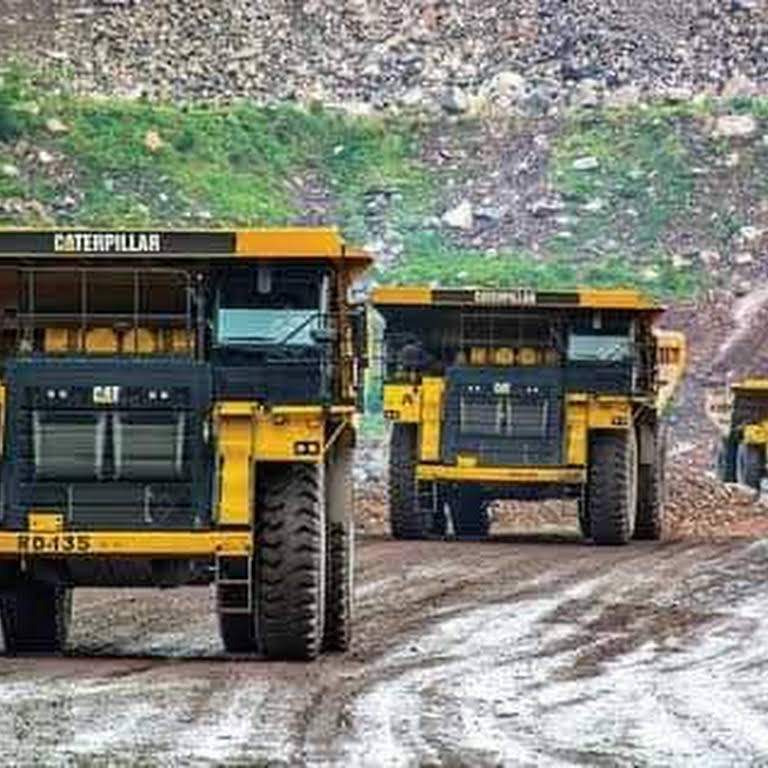
NDAA TRAINING CENTER | DUMP TRUCK TRAINING
http://www.ndaatrainingcenter.co.za
0733384933
South Africa
NDAA TRAINING CENTER
TLB
GRADER
FORKLIFT
FIRST AID
EXCAVATOR
REACH TRUCK
MOBILE CRANE
REACH STACKER
LHD SCOOPTRUM
FRONT END LOADER
ADT AND 777 DUMP TRUCK
TELESCOPIC BOOM HANDLER
OCCUPATIONAL HEALTH AND SAFETY
Unlock your potential with Ndaa Training Center – where a world of opportunities awaits. Discover new skills, expand your knowledge, and take your career to new heights. Stay tuned for an exciting journey ahead!


